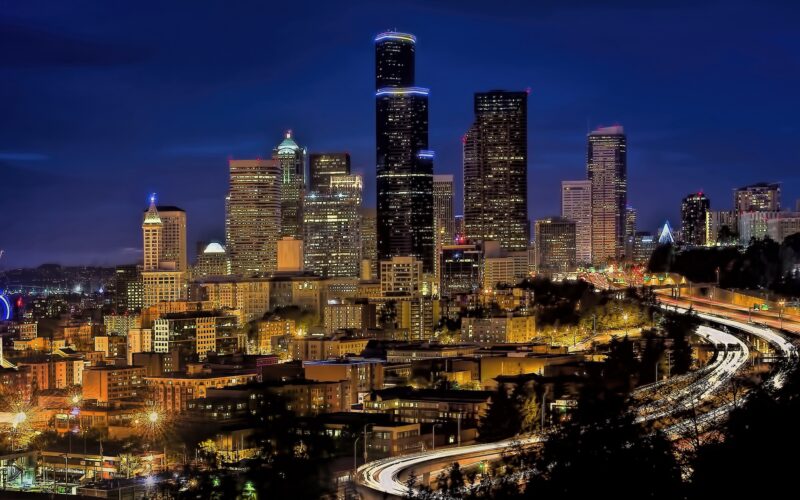
As urban populations continue to grow, city planners and developers are increasingly turning to mixed-use developments as a sustainable solution for modern living. A mixed-use development integrates residential, commercial, cultural, and institutional spaces into a single, cohesive property or neighbourhood. This approach marks a significant departure from traditional zoning, which typically separates these functions into distinct geographical areas. By blending these elements, mixed-use projects create vibrant, walkable communities where residents can live, work, and socialise within a very short distance. This design philosophy not only addresses the pressing issue of urban sprawl but also caters to a growing desire among city dwellers for convenience, accessibility, and a stronger sense of local identity.
Economic advantages for local businesses
One of the primary benefits of mixed-use developments is the substantial economic boost they provide to local economies. When commercial spaces such as shops, cafes, and offices are situated directly alongside or below residential apartments, they benefit from a built-in customer base. This constant stream of foot traffic ensures that retail spaces remain active throughout the day and into the evening. Furthermore, these developments often attract a diverse range of businesses, creating a resilient micro-economy that is less susceptible to broader market fluctuations. The convenience of having amenities on their doorstep encourages residents to spend their money locally, thereby keeping wealth within the community and fostering a supportive environment for small business owners and entrepreneurs.
Enhancing social connectivity and wellbeing
Beyond economic gains, mixed-use developments play a crucial role in enhancing social connectivity and overall public wellbeing. Traditional suburban layouts can often lead to isolation, as individuals must commute long distances for work, leisure, and daily errands. In contrast, integrating various aspects of daily life into a single area encourages spontaneous interactions among neighbours, workers, and visitors. Shared public spaces, such as plazas, parks, and community centres, become focal points for social gatherings and cultural events. This heightened level of social interaction helps to combat loneliness and fosters a tight-knit community spirit, which is increasingly important in our fast-paced, modern world.
Promoting environmental sustainability
Environmental sustainability is another critical factor driving the popularity of mixed-use developments across the United Kingdom and beyond. By designing neighbourhoods where essential services, employment opportunities, and recreational facilities are all within walking distance, these projects significantly reduce the reliance on private motor vehicles. This shift towards active travel, such as walking and cycling, directly contributes to lower carbon emissions and improved local air quality. Additionally, developers often incorporate green building practices, energy-efficient systems, and sustainable materials into these modern complexes, further minimising their environmental footprint. The efficient use of land also helps to preserve surrounding green belt areas and natural habitats by curbing the outward expansion of cities.
Maximising the efficiency of urban land
In densely populated urban centres, the efficient use of available land is paramount. Mixed-use developments excel in this regard by building upwards rather than outwards, thereby maximising the utility of a given plot. Combining different uses within the same building or complex means that infrastructure, such as parking facilities, public transport connections, and utility networks, can be shared and optimised. This vertical integration allows cities to accommodate growing populations without sacrificing the quality of life or exhausting municipal resources. Consequently, urban planners can create more dynamic and multifaceted cityscapes that respond effectively to the changing needs of the population.
Shaping the future of urban environments
Ultimately, mixed-use developments represent a forward-thinking approach to urban design that prioritises human experience and environmental stewardship. By moving away from rigid zoning laws and embracing multifunctional spaces, cities can become more adaptable, resilient, and enjoyable places to inhabit. As communities continue to evolve, the demand for integrated, walkable neighbourhoods that offer a high quality of life will only increase. Embracing this model of development ensures that our urban environments remain vibrant, sustainable, and capable of supporting the diverse needs of modern society for generations to come.